
A Movement in Women’s Health
Women’s health is finally getting the focus it deserves—rooted in biology, informed by data, and designed around real lives.
Evia Wellness exists to accelerate that shift with technology, collaboration, and innovation across every life stage.
Why now?
-
It's Biology
Women’s biology is not a “variant”—it’s foundational. As Paula Johnson reminds us, “Every cell in the human body has a sex.”
Design for female physiology from the start (not as a post-hoc subgroup).
“Women are not small men.” — Stacy T. Sims, PhD.
-
It's Economic
“Investing in women’s health…is about unlocking a powerful catalyst for development.” — World Health Organization Director-General’s remarks, Oct 14, 2024.
McKinsey estimates that closing the women’s health gap could add up to $1 trillion to global GDP annually by 2040.
-
It's Time
Major funders are stepping up: in 2025, the Gates Foundation announced $2.5B for historically “ignored” women’s health areas (e.g., preeclampsia, menopause, endometriosis).
NIH’s Sex as a Biological Variable policy took effect in 2016—pushing researchers to factor sex into study design and reporting.
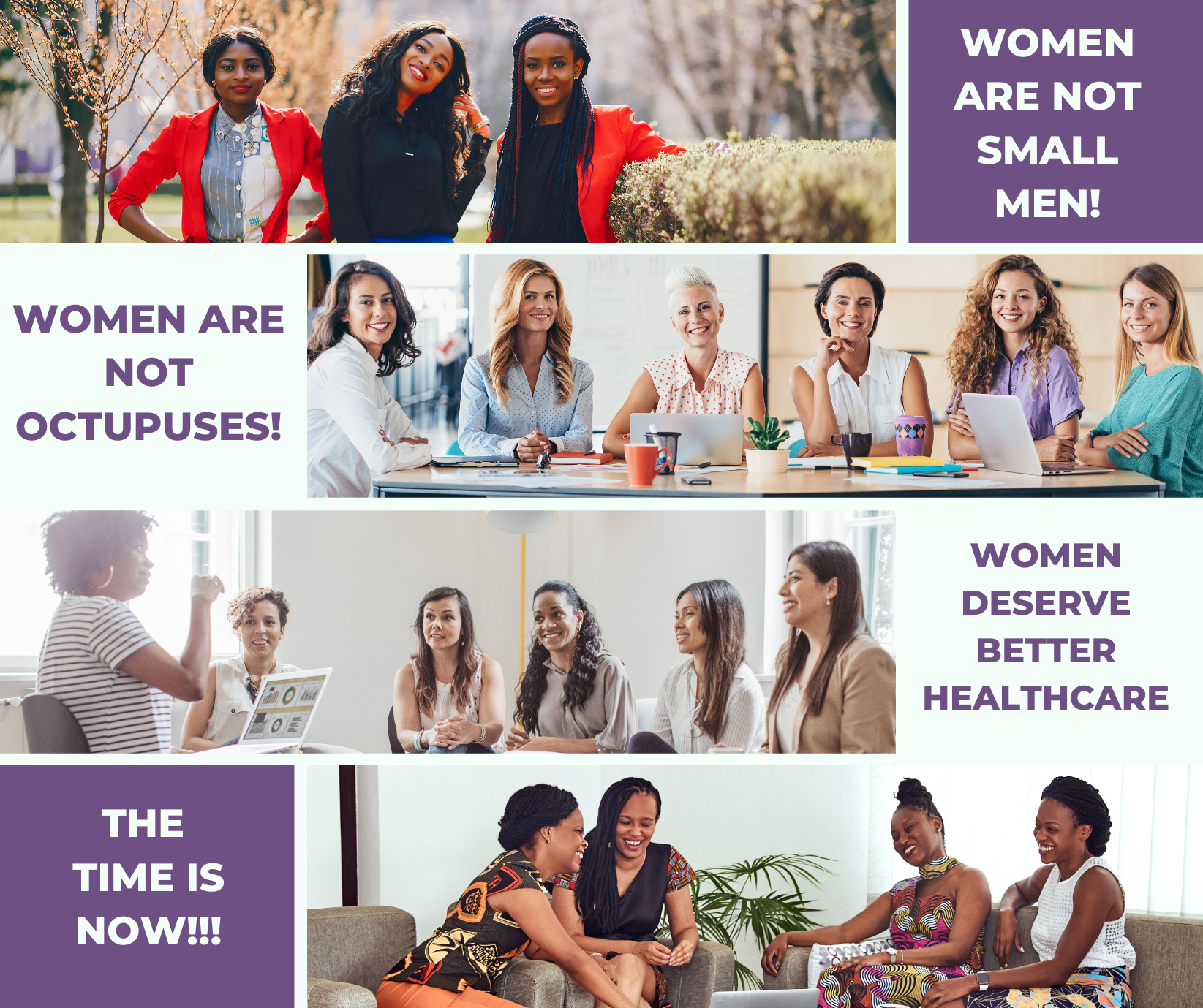
The Movement: from “one-size-fits-men” to women-centered by design
We’re replacing generic, male-normed pathways with women-centered care that recognizes cyclical physiology, life-stage transitions, and intersectional realities. Four principles we stand on:
Biology first. Design for female physiology from the start (not as a post-hoc subgroup).
Data equity & privacy. Fix the gaps in research, biomarkers, and real-world, unbiased data for women with the utmost privacy.
Access & experience. Care should be affordable, dignified, and culturally competent.
Lifespan view. From menarche to menopause and beyond, continuity matters.
How Evia Leads:
Value-Based Care to Drive Outcomes with Reduced Costs
Technology (personalized and predictive)
Integrate wearable signals, cycle data, and labs to generate adaptive care plans for symptoms like perimenopause vasomotor instability, sleep disruption, mood changes, and cardiometabolic risk.
Use privacy-preserving analytics to identify what works for whom, turning lived experience into actionable insights.
Collaboration (clinicians, researchers, community)
Build care collaboratives with clinicians, health systems, and pharmaceuticals.
Partner with researchers and advocacy groups to co-design studies, ensure inclusive enrollment, and return results in plain language.
Innovation (new models & access)
Pilot women’s health pathways with clear triage, evidence-based self-management, and rapid specialty hand-offs.
Create affordable options to expand access—because experience should be equitable, not exclusive.